


As the late, great Alan Ball once observed, “Once Everton has touched you, nothing will be the same.” Decades on, the sentiment still resonates.
Players past and present continue to speak of the profound sense of belonging that comes with wearing the royal blue. Everton has been the stage for the most productive years of many careers. Yet, too often in the modern era, it has also become a stepping stone, a place where potential stalls before flourishing elsewhere.
A move to Everton can be a blessing, but this is not a charity club. Everton are one of English football’s great institutions, built on success, standards and fierce competitive ambition. The desire to return to the top remains, but the career of Dominic Calvert-Lewin offers a sobering illustration of how far the club has drifted and what must change to restore it.
Calvert-Lewin’s Everton record reads reasonably well at first glance: 71 goals in 273 appearances after arriving from Sheffield United for just £1.5M at the age of 19. On paper, that represents solid value.
Look closer, however, and a more uncomfortable truth emerges. The 18-month reign of Carlo Ancelotti accounted for the most prolific period of Calvert-Lewin’s career: 36 goals in 80 games across a couple of seasons placed him among the Premier League’s most effective forwards.
Outside of that spell, injuries and prolonged droughts defined his time on Merseyside.
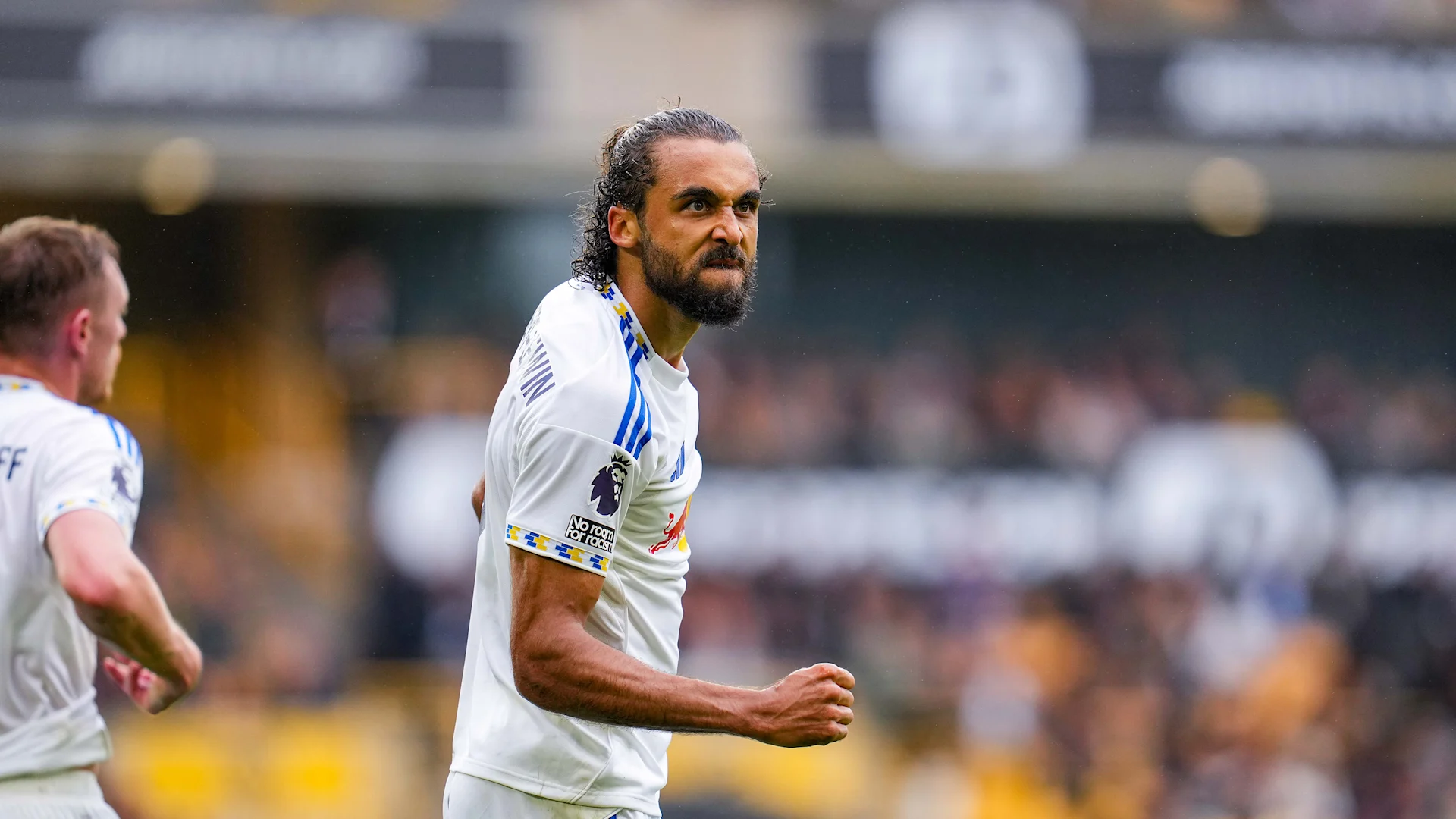
Strip out the Ancelotti era and his output drops to roughly a goal every 6 matches – a figure that exposes how heavily his reputation was built on a brief tactical alignment. Since leaving Everton on a free transfer and joining Leeds Utd this summer, the 28-year-old has rediscovered that form: 8 goals in 17 appearances, with at least one goal in each of his last 6 games, suggest a striker reborn.
Crucially, the pattern is familiar. His goals are almost exclusively scored inside the penalty area, between the posts. At Everton, Calvert-Lewin was routinely asked to drift wide, come deep, chase channels and survive on scraps. Chances were limited, confidence eroded and, inevitably, his body broke down too.
Under the right system, Calvert-Lewin thrived. Without it, his limitations were exposed and amplified.
This is not an isolated case. Over the past decade, the only striker to truly flourish at Everton has been Romelu Lukaku – a world-class talent capable of transcending dysfunction.
The rest, many signed for significant fees, have failed to make an impact. Cenk Tosun, Neal Maupay and Beto were uninspiring signings and lived up to their tame expectations. Moise Kean departed and rebuilt his reputation elsewhere.
The pattern is unmistakable. It is one Everton must urgently address, particularly with Thierno Barry at the beginning of his Premier League journey. Recruitment errors matter, but the deeper issue lies in a lack of identity and coherence.
Everton have too often failed to maximise the strengths of their players, instead forcing them into systems that breed hesitation rather than confidence. Years of upheaval, managerial churn, and short-term thinking have stripped the team of creativity, balance and clarity.
Even on good days, Everton have looked rigid and predictable – a side easily stifled. A resilient defence and fleeting individual moments spared the club from relegation, but survival cannot be the ceiling. Progress now demands a cohesive, long-term transfer strategy rooted in purpose.
Everton must assess what they do well, recruit to enhance those qualities, and fill the gaps intelligently. There is real attacking talent to build around in Iliman Ndiaye, Kiernan Dewsbury-Hall and Tyler Dibling among others. The challenge is constructing a squad that complements and elevates them.
The adage that “the best form of defence is attack” feels increasingly lost on Everton. In recent seasons, they have consistently ranked among the league’s leaders for blocks and saves, a statistic that tells its own story.
Everton are resilient and well-drilled at the back, but overly passive everywhere else on the pitch. That imbalance is no longer sustainable. The next phase of recruitment must prioritise attacking intent and technical quality across the team, not simply survival.
Which brings us back to Barry. His potential is evident, and his rise from France’s fifth tier to the Premier League in 4 years has been remarkable. His first season in England was always likely to be a learning curve. What matters now is the environment around him. There is no value in forcing him into a role that neither suits his strengths nor aligns with the club’s long-term vision.
The next two transfer windows are pivotal. Everton must stop lurching between strategies and commit to one that is coherent, sustainable and effective. Only then can the club ensure that, when Everton touches a player, it elevates them – and not the other way around.